
Your Lawn is Under Attack.
Literally.
Army worms are moving through Boise, Meridian, Eagle, and Star right now — and they can strip a lawn bare in just a few days. Get a free inspection before they finish the job.
RESIDENTIAL & COMMERCIAL · BOISE · MERIDIAN · EAGLE
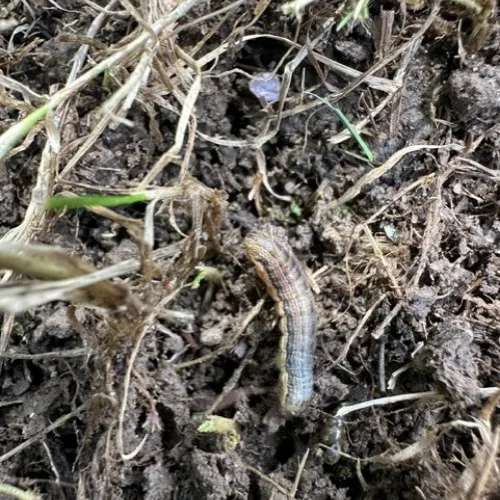
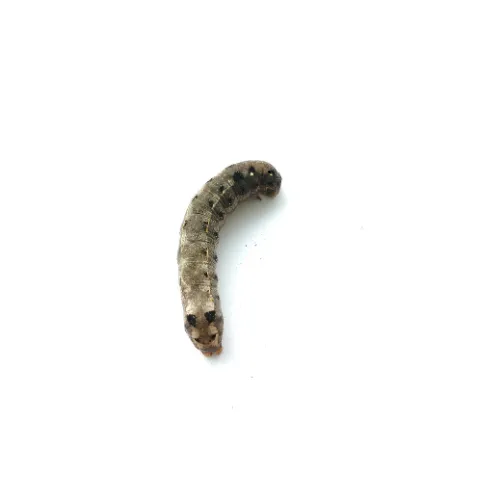
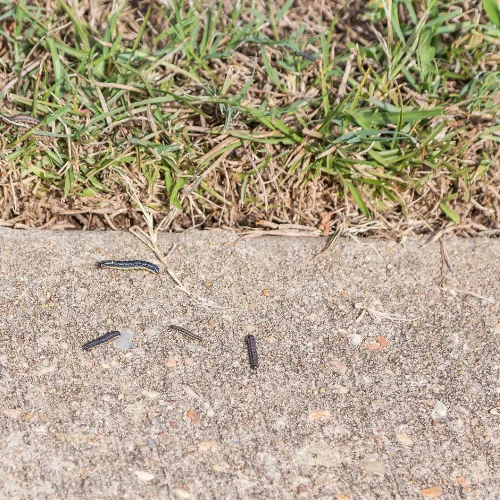
Do I Have Army Worms?
If you're seeing sudden brown patches, chewed or see-through grass blades, and
more birds than usual pecking at your lawn, army worms are the most likely cause —
especially in late summer. Unlike drought, watering more won't fix it. The fastest
way to know for sure is a free on-site inspection.
W H Y T H I S C A N ' T W A I T
The Math Isn't on Your Side
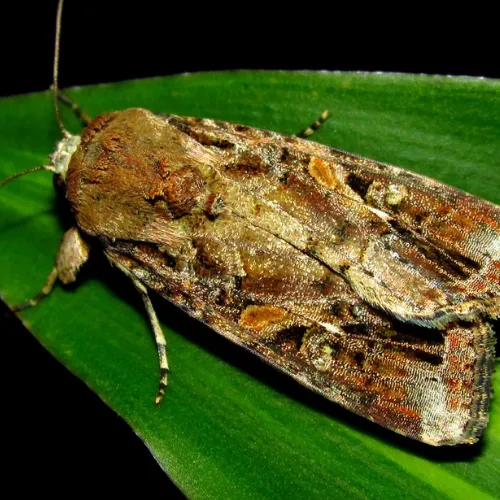
One moth lays up to 2,000 eggs, and they hatch in as little as 2–3 days
Multiple generations can hatch in a single season — a small patch becomes a lawn-wide problem fast
Left untreated, an infestation can strip a section of lawn bare in a matter of days, and dead turf doesn't grow back on its own
Late summer into early fall is peak season for the Treasure Valley — which is exactly where we are right now
H O W W E T R E A T I T
Full-Lawn Coverage, Not a Spot Fix
DIY granular treatments often aren't enough once worms are active — army worms
respond best to a full-coverage liquid application, not a spot treatment. Our team inspects
the entire property, confirms it's actually army worms, and treats accordingly so it doesn't
come back in two weeks.
Free, no-obligation property inspection
Full-lawn liquid treatment application
Follow-up guidance on mowing & watering to support recovery
Residential and commercial properties, including HOAs and shared grounds
Don't Wait for the Brown Patches to Spread
Common Questions
How fast do army worms spread?
Fast. A single moth can lay up to 2,000 eggs, which hatch within 2–3 days, and an active infestation can
strip a section of lawn bare in just a few days.

Will watering my lawn more help?
No — it's actually one of the easiest ways to tell army worms apart from drought stress. Drought-stressed
lawns green back up with water; army worm damage doesn't improve, because the problem is feeding, not
moisture.
Is it too late if my lawn already has brown patches?
Not usually, as long as the roots are still alive. The sooner it's treated, the less turf you risk losing.
Do you treat commercial properties and HOAs?
Yes — residential lawns, commercial properties, HOAs, and shared common areas throughout the Treasure
Valley.
What areas do you serve?
Boise, Meridian, Eagle, and Star, Idaho — residential and commercial.
Post Address and Mail
Address
13601 W McMillan Rd., Ste 102 #245
Boise, ID 83713
